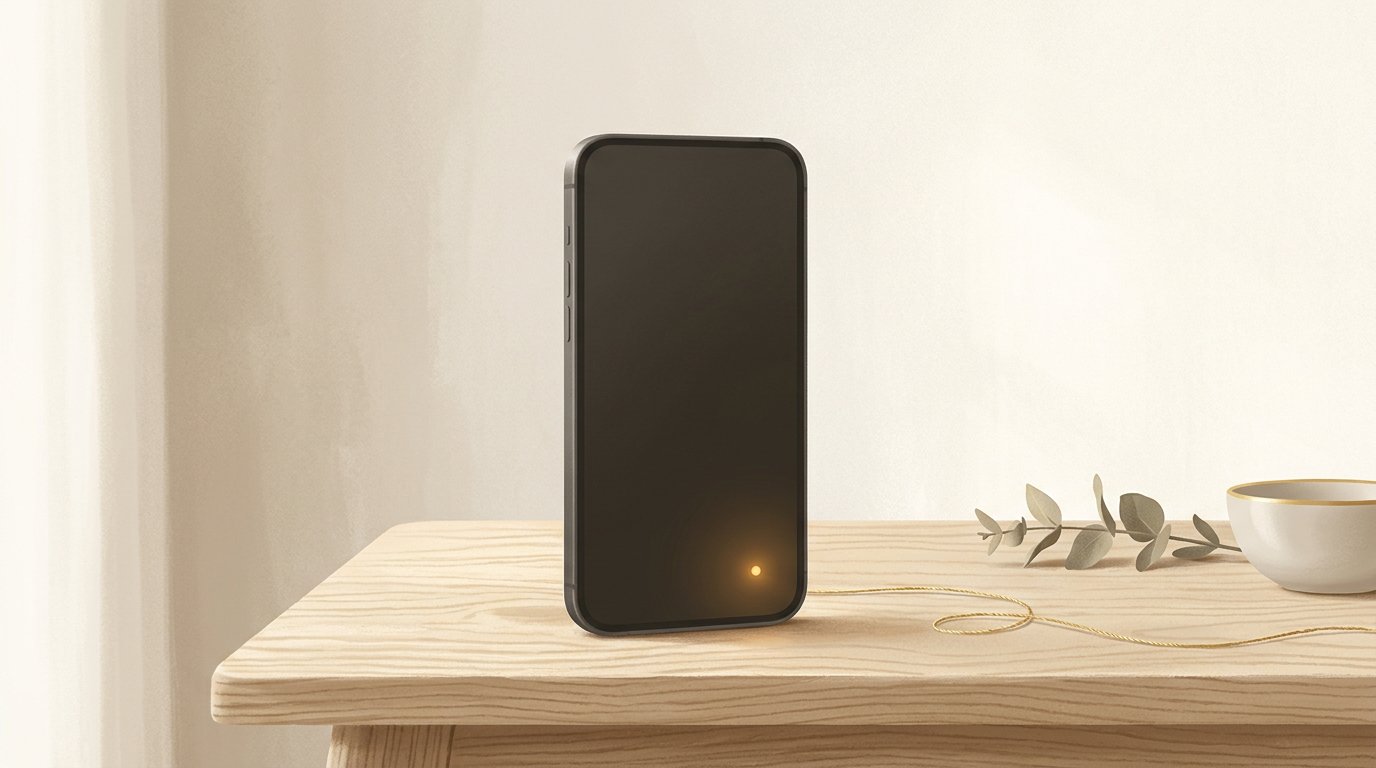
One of the most interesting ai hardware launches of the year comes from a company your phone friends already know. Nothing's CEO Carl Pei announced on X that the company's first AI-native product ships next month — and that one feature it deliberately will not have is a new screen. 'It has no new screen, and it couldn't have been an app,' Pei wrote. After years of AI living quietly inside our pocket screens, the industry is finally betting that the next breakthrough device has no display at all.
The Search for AI's iPhone Moment
Pei described the whole industry as hunting for its iPhone moment: the pendant, the pin, the glasses, the companion, some magical consumer device that makes AI part of everyone's life. He also offered a sharp warning. 'Looking for the iPhone of AI today is a dead end,' he argued. The lesson from Nothing's bet is that novel form factors matter more than another app icon. A screen-free device forces the product to be genuinely useful on its own.
A Crowded, Colorful History
Nothing is far from the first company to try this. The Humane AI pin burned through hype and criticism, the Friend pendant carved out a niche, and even AI stuffed animals have been sold as screen-free companions. OpenAI is reportedly working on an AI smart speaker with Jony Ive. What is different now is timing: smart glasses have matured, wearables have found their audience, and people are increasingly tired of screens running their attention.
Why Screens Matter Less in the AI World
- A phone without screen forces the interface to be voice-first, which is faster for short tasks.
- Screen-free devices remove the notification treadmill that keeps us checking our pockets.
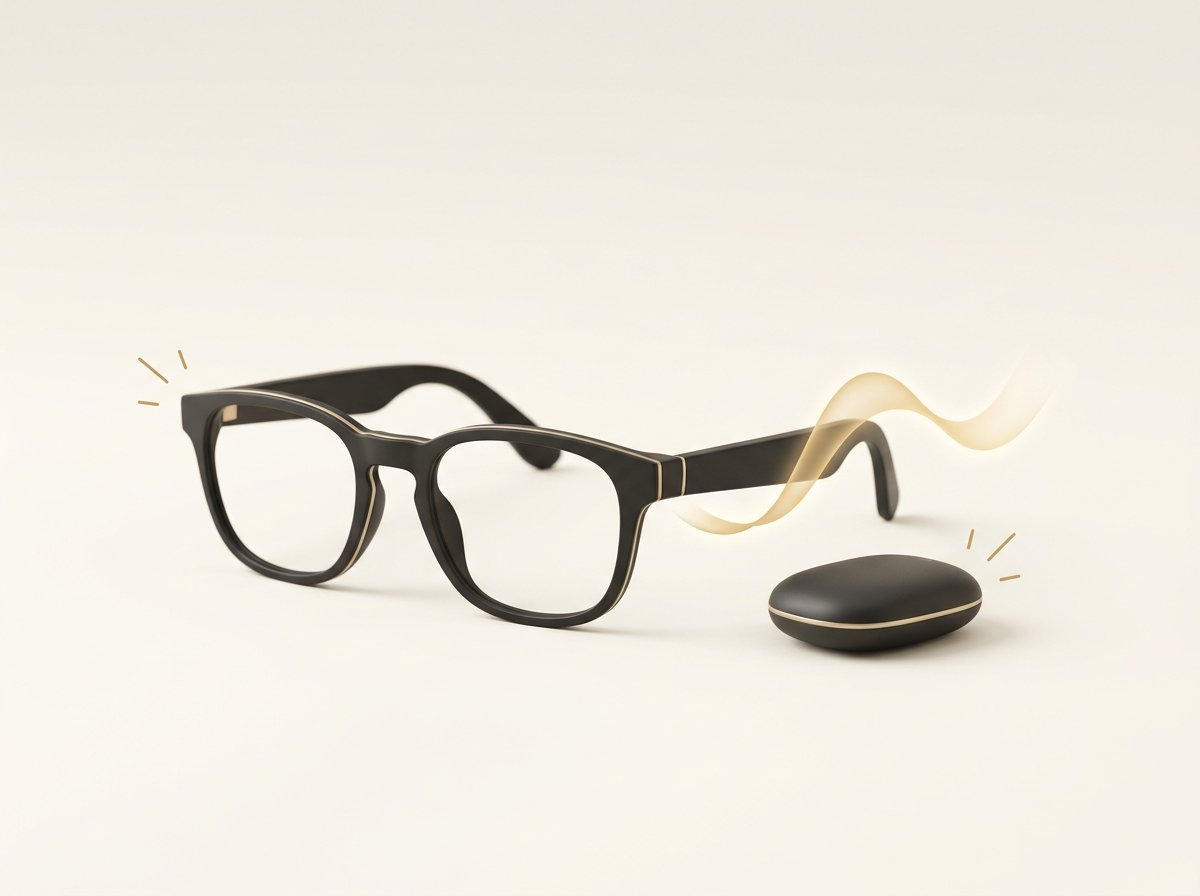
- AI wearables and ai glasses can be ambient: present enough to help, quiet enough to ignore.
- For digital balance, a device that talks to you instead of glowing at you is a genuine shift.
Screen-Free Means More Than Gadgets
The real story is not one gadget. It is a growing conviction that the most humane technology is the one that gets out of the way. When an ai wearable device answers a question in your ear instead of lighting up a display, the reward loop changes: the dream of a no screen phone stops being about specs and starts being about attention. The screen free ai movement is still young, but it aligns perfectly with the digital balance ideas this site has been exploring since day one.
Will the screen-free ai device be a hit or a footnote? No one knows yet. The smart glasses category has had false starts, and the ai pin proved that hardware alone is not enough — the software and the use case have to be genuinely useful. But for the first time in years, the most exciting ai hardware is not trying to steal more of your attention. It is trying to give it back.