There is a myth that focus music either works or it does not — as if productivity were a switch you flip by hitting play. In practice the same track can sharpen your attention one day and quietly drag on it the next, and the variable is almost never the song itself. It is how the sound is set up around you. Volume too high, and the music starts competing with your thinking. Length wrong for the task, and you are ending a deep session to change tracks just as momentum arrives. Get three small settings right, and study music stops being background decoration and becomes a genuine tool for deep focus.
Setting One: Volume Silently Below Your Attention
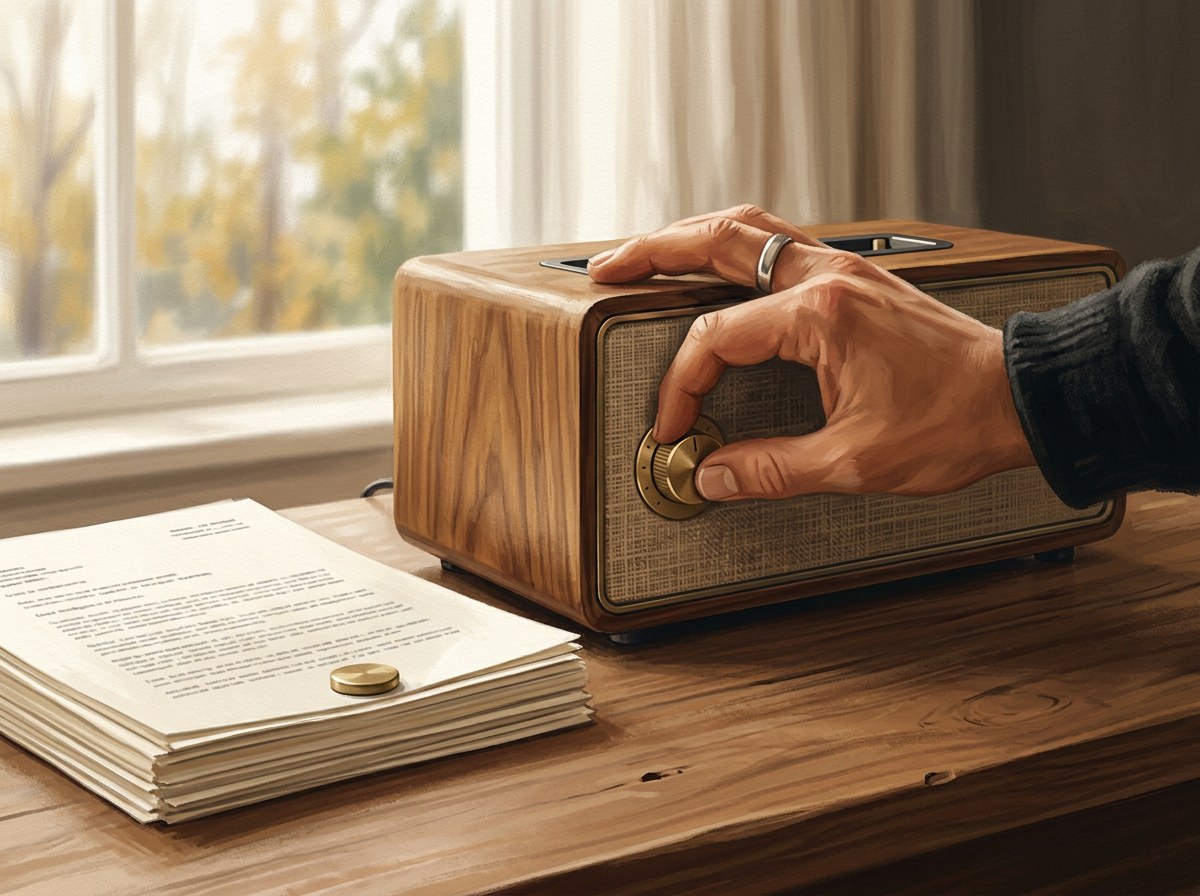
The single most important setting is loudness, and most people get it backwards, choosing a level that feels immersive instead of one that works. Concentration music should sit quietly below your attention threshold: present enough to blanket sudden noise, soft enough that you stop noticing it within a minute. A useful test — if you can hum the melody or catch yourself tapping along, it is too loud. Try it low, then one notch lower. At that level, music for clarity disappears into the texture of the room, A calm instrumental for study and work set at this level becomes effective brain stimulation music — present enough to engage, quiet enough not to interrupt.
Setting Two: One Track per Deep Work Session
A playlist built like a radio station fights your concentration with novelty. Every track change is a micro-event — a beat of attention spent noticing something new — and across an hour of work that adds up. Deep focus music works better as a single arc: one long piece that matches the length of the session you are about to run. For deep work music for creative work, a single thirty- to fifty-minute track lets the sound rise and fall with your attention instead of interrupting it. If you must have variety, build a playlist with no visible changes — seamless, low-swelling instrumental music for concentration that you stop tracking almost immediately.
Setting Three: Where the Sound Lives in the Room
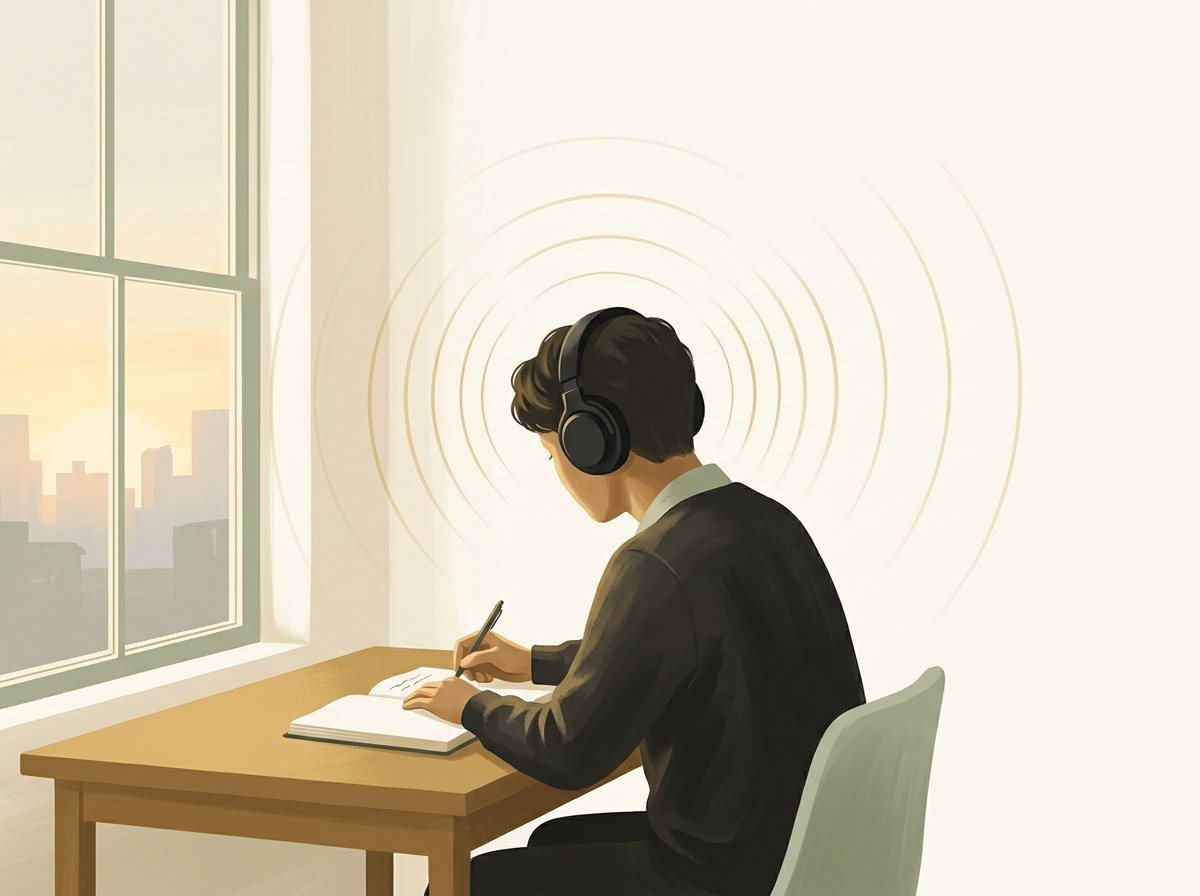
Finally, consider placement over selection. Music to think clearly heard through tinny desktop speakers at one elbow reads as noise; the same music to think clearly through headphones, or through a speaker set to one side and slightly behind you, reads as environment. Headphones work best when you need to block your surroundings entirely; a speaker placed at the edge of your workspace is better when you still need to hear a colleague occasionally. Alpha waves music and brain activation music reward this arrangement — a stable, even soundfield that does not vary as you move, so your attention never needs to relocate to follow it.
- Volume: set it low, then one notch lower — if you can hum along, it is too loud.
- Length: one long track per deep work session; never let a change mid-flow break momentum.
- Placement: headphones to fully block, or a single speaker off to one side to stay reachable.
- Consistency: reuse the same setup every session so the sound becomes a reliable entry signal.
Why Calm Instrumental for Study and Work Beats Vocal or Busy Music
Chosen well, the genre itself pulls weight. Lyrics are the biggest hidden distraction, because language activates the same planning regions your brain needs for writing, reading, or problem-solving. Calm instrumental for study and work and brain power music keep that language channel free. A steady, predictable instrumental also means your brain does not work to anticipate what comes next, the way it does with dynamic or surprising music. This is why instrumental music for concentration underperforms when it is too busy: variety is entertainment, and entertainment is the opposite of deep focus.
The Thirty-Second Tune That Upgrades Any Session
Here is a setup you can do in under a minute before your next work block. Set the volume low. Choose ONE track of focus music whose length matches the session you are about to run. Put on headphones or move a speaker to the side. Sit, take one slow breath, and press play. Then start the actual moment of work — the first sentence, the first line of code, the first cabinet to open. The sound drops below attention, the room steadies, and for the next stretch your focus is carried by a calm, constant intelligent soundfield rather than by sheer will. Three small settings. That is the difference between focus music that merely plays and focus music that works.