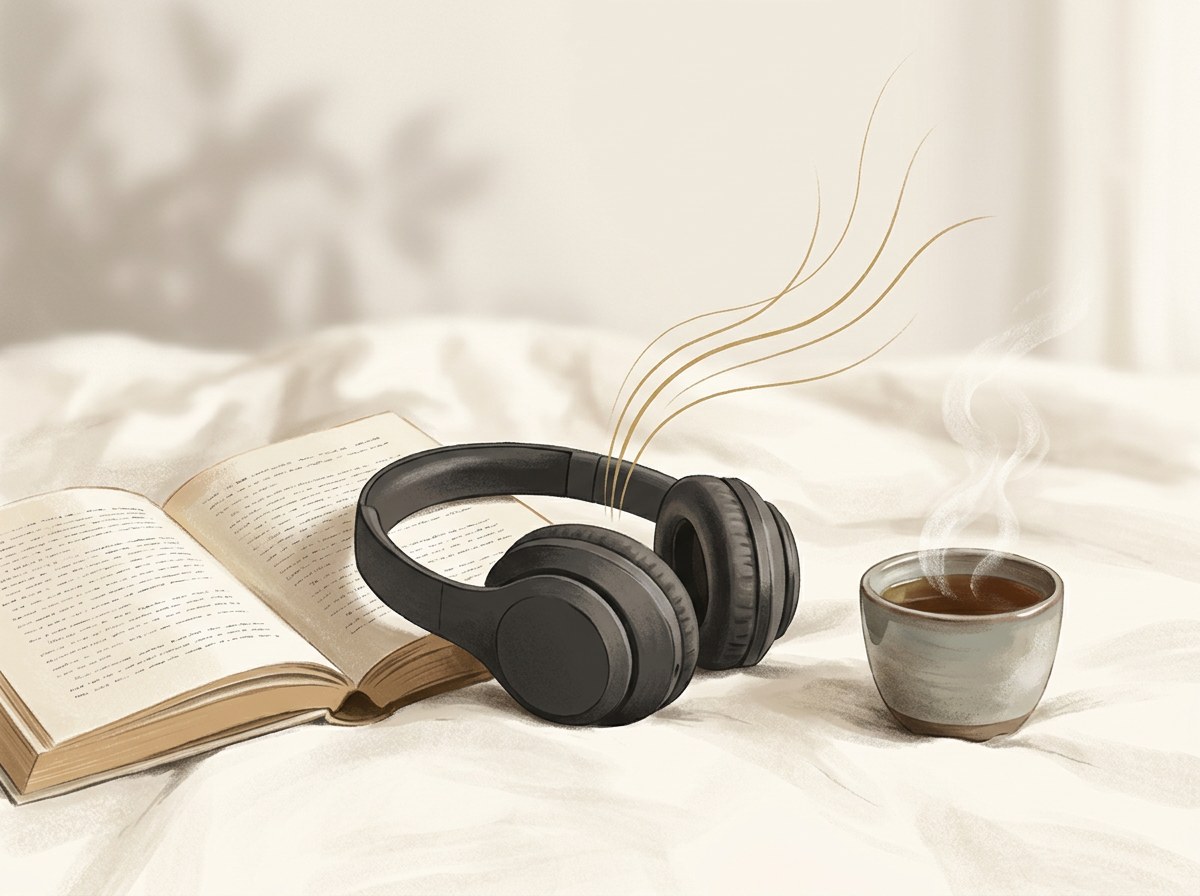
We have all been there: lying in the dark as our minds cycle through endless loops of 'what-if' scenarios, making true peace feel like an impossible destination. When the noise of daily life becomes overwhelming, finding a sanctuary can feel like an uphill battle. Yet, there is a gentle, ancient secret to soothing those internal alarms that doesn't require a complicated regimen. By intentionally choosing the right sounds, you can shift your emotional state, transforming a turbulent mind into a quiet landscape of serenity through the restorative power of soundscapes.

The Physiological Magic of Sound
At its core, music for anxiety works by communicating directly with the autonomic nervous system. When we are stressed, our bodies remain locked in a 'fight or flight' state. Calming music for anxiety acts as a bridge, signaling to our systems that it is safe to downshift. This isn't merely a psychological preference; it is a physiological reset. By slowing our heart rate and deepening our breath, we invite the body to prioritize restoration over survival, effectively teaching us how to calm anxiety when it threatens to overwhelm our focus.
Exploring Solfeggio Frequencies
Many seekers turn to specific sonic signatures like solfeggio frequencies to deepen their practice. These ancient tones are believed to resonate with the body's natural energy fields, helping to dissolve emotional blockages and persistent tension. When layered into a soundscape, these frequencies enhance the experience of true relaxation. It is a subtle shift, but one that many find profoundly effective when creating a personal space for quiet contemplation after a long, draining day.
The Soft Embrace of Heavenly Music
What makes heavenly music so distinct? It is the deliberate lack of jarring shifts, sudden crescendos, or complex rhythmic patterns that demand our attention. Instead, it offers a seamless, ethereal flow that allows the mind to drift without resistance. Think of it as a sonic blanket. Whether you utilize this style as anxiety relief music while working at your desk or as a foundational element during your evening wind-down, it provides the consistent, steady environment that an anxious mind desperately craves.
Spiritual Music for Sleep
Transitioning into the night often requires more than just closing our eyes; it demands a full departure from the day's concerns. Incorporating spiritual music for sleep, or even gentle prayer music, can turn your bedroom into a consecrated space of release. This isn't necessarily tied to a specific doctrine, but rather the act of surrender that these genres encourage. As the mind focuses on the slow, melodic movements, the relentless chatter of the day gradually fades into silence, making it easier to drift into a deep, restorative state.
Practical Ways to Integrate Sound
- Curate a 'safe' playlist that you reserve only for moments when you need to decompress.
- Use high-quality headphones to experience the full immersion of calming music for sleep without external noise interference.
- Pair your music with a slow, sensory practice like gentle stretching or lighting a single candle to ground yourself in the present moment.
- Experiment with different genres, such as ambient soundscapes or instrumental acoustic arrangements, to see what resonates most with your unique nervous system.
- Try setting a timer so your chosen track fades out automatically, allowing you to settle into a natural, quiet slumber.
Ultimately, the goal is to make these tools a natural part of your daily rhythm rather than a last-ditch effort when panic sets in. Start small, perhaps just ten minutes before bed or during your morning coffee. By consistently choosing sounds that promote stillness, you are actively building a nervous system that is more resilient, more peaceful, and significantly more capable of handling life's inevitable stressors with grace.